The silent killer- hypertension
- stepswithnutrition
- 11 minutes ago
- 2 min read
Hypertension is far more than just “high blood” — it’s a serious diagnosis linked to an increased risk of heart attacks, heart failure, kidney failure, stroke, and even death. With over 1 billion adults worldwide living with hypertension, understanding what it is and how to manage it has become essential.
In South Africa, hypertension is often referred to as hoërbloed or high blood. Clinically, it is defined as a persistent systolic blood pressure (the top number) of 130 mmHg or higher, or a diastolic blood pressure (the bottom number) of 80 mmHg or higher. Put simply: if your reading is 130+/80+, you may have high blood pressure.
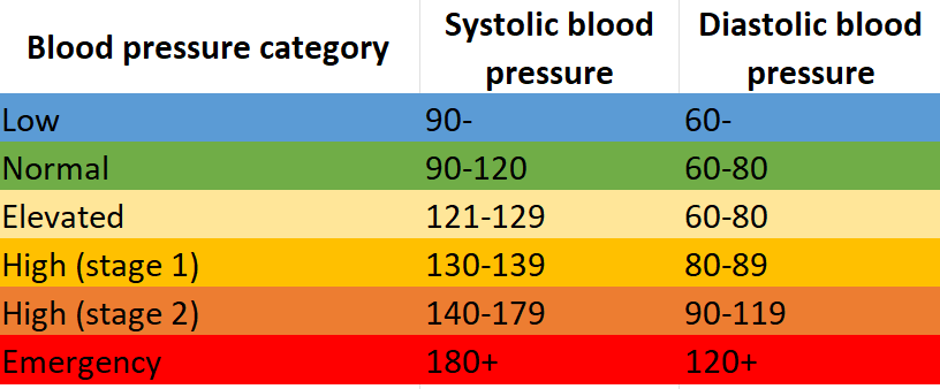
The human body naturally strives for balance. Hypertension develops through a complex interplay of (not limited to):
1. Age
2. Ethnicity
3. Diet
4. Smoking
5. Physical activity levels
6. Gut microbiome
Uncontrolled hypertension damages blood vessels, strains the heart, and increases the risk of cardiovascular disease, kidney failure, and premature death. Uncontrolled hypertension may look like:
1. Blurred vision
2. Chest pains
3. Shortness of breath
4. Throbbing headaches
5. Nosebleeds
Part of wholistic management of hypertension includes diet modification. Small, sustainable adjustments — known as behaviour change — can lower blood pressure significantly. When combined with weight loss and smoking reduction, diet modification has an even greater impact. Evidence-based eating plans such as the DASH diet and the Mediterranean diet are particularly effective, especially for those with cardiovascular disease or high cholesterol.

Diet modifications can look like:
1. Limiting high-sodium (salt) foods (energy drinks, chips, biltong, soy sauce)
2. Flavouring foods with herbs and citrus rather than with spices and stock cubes
3. Moderate alcohol consumption (1 drink per day for women and 2 drinks for men)
Hypertension, when left untreated can be fatal. Please seek professional help from your local doctor & dietitian.
To find out more, find us on: FB/Instagram/Spotify
Until next time
Shelldon Breda, registered dietitian, M.Sc.


Comments