The Plastic Paradox
- stepswithnutrition
- 2 hours ago
- 2 min read
Survival depends on learning and adapting. Humans have done this for millennia. The introduction of plastic was no different. A quick search into the origins of plastics reveals surprising beginnings. Yet the plastics we know today—those we’ve come to depend on—was first created partially in 1862 and later perfected by Leo Baekeland in 1907.

Since then, plastic has quietly infiltrated nearly every corner of our lives. Its appeal lies in its durability, flexibility, and affordability. But beyond the obvious packaging and containers, plastic hides in unexpected places, including these 5:
1. Cigarette filters
2. Certain clothing- spandex, polyester and nylon
3. Non-stick cooking utensils 4. Tea bags
5. Wet wipes- even most of the flushable ones
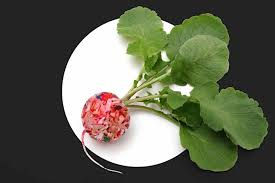
Plastic doesn’t break down easily, meaning it accumulates in our environment allowing absorption by plants. Marine life filters them while breathing underwater. Eventually, these particles make their way into our food chain—and into us.
Our bodies cannot filter or excrete synthetic particles. They accumulate silently, remaining until we die. Studies have found microplastics in several human organs, including:
1. Brain
2. Liver
3. Kidney
4. Blood vessels
5. Placentas (pregnant women)

Elevated levels of microplastics may result in:
1. Earlier onset of brain diseases such as Dementia and Alzheimer’s
2. Kidney disease
3. Gut microbiome dysregulation

Source: Yonsei medical journal, 2023
But what are we going to do about it? On a small scale, we can try to avoid plastic-containing items as much as possible. Using glass containers, cotton clothing, and free tea leaves are a few ways you can reduce accidental microplastic absorption. To find out more: Spotify: https://open.spotify.com/episode/7jXzuhOv9KC4vZo8PajVvL?si=vvNo7puxRFSmBr1CwQGaaQ
YouTube: https://youtu.be/3pIPFFThOQw LinkedIn: https://www.linkedin.com/posts/steps-with-nutrition_a-burger-with-a-twist-half-pure-indulgence-activity-7448366805565415424-akyG?utm_source=share&utm_medium=member_desktop&rcm=ACoAAC3x4s4BeIIjzZXI108i5-1ztqG_l0PJX4c
Until next time
Shelldon Breda, registered dietitian, M.Sc.


Comments